


Aviation and Associative Learning: What Neuroscience Can Teach Us About Pilot Training and Safety
In the high-pressure world of aviation, the ability to learn and react quickly to various stimuli is crucial. It is more than just a skill. It’s a necessity. Pilots, air traffic controllers, and even passengers rely on their capacity to associate specific cues with appropriate responses. Recent research on rodent brains has provided intriguing insights into associative learning. This cognitive process is vital for maintaining safety and efficiency in aviation.
Understanding Associative Learning in Aviation
Associative learning refers to the process by which individuals connect two or more stimuli, leading to a behavioral change. In the context of aviation, a pilot might learn to associate a particular alarm sound with an emergency procedure. A passenger might understand that the sound of the seatbelt sign indicates the need to remain seated.
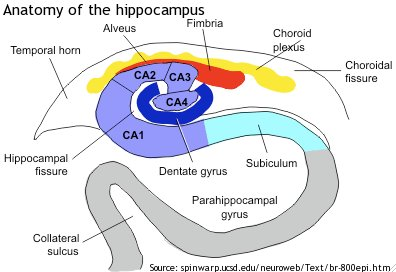
A study was conducted by researchers at the National Centre for Biological Sciences (NCBS) in Bangalore. The research was featured by IndiaBioscience. It explored how rodents learn to associate two distinct stimuli: a tone and a puff of air. The study highlights the sequential firing of neurons in the hippocampus. This is a crucial brain region for memory and learning. This occurs during the process of associative learning.
Sequential-Firing Model: A Blueprint for Pilot Training
The study supports the “sequential-firing” model, where groups of neurons fire in a specific sequence between two stimuli. This neural activity helps the brain maintain the memory of the first stimulus (the tone). It maintains the memory until the second stimulus (the puff of air) arrives. The rodents continued to experience these stimuli. Their brains became more efficient at firing these neurons in a consistent pattern.
In aviation, this model can explain how pilots learn to respond quickly and accurately to complex situations. They achieve this even when the cues are separated in time. For example, a pilot might hear a specific sound (the first stimulus). Later, they might see a visual cue (the second stimulus). With training, their brain learns to associate these stimuli. This enables a swift and appropriate response. This occurs even if the cues are not simultaneous.

Enhancing Pilot Training with Neuroscience Insights
Understanding the neural mechanisms behind associative learning could revolutionize pilot training programs. Insights from studies like the one conducted at NCBS can be used to design more effective simulations. These simulations mimic real-world scenarios where pilots must quickly learn and respond to multiple stimuli. For instance, training exercises could reinforce the association between auditory and visual cues. This could improve pilots’ reaction times and decision-making under pressure.
Additionally, the sequential firing of neurons could be used to develop new training tools. These tools would help pilots strengthen these neural pathways. This makes their responses more automatic and reliable in critical situations.
Passenger Safety: Improving In-Flight Communication
The principles of associative learning are also relevant to passenger safety. Understanding and responding to safety instructions is critical, especially in emergencies. Airlines could design safety briefings and signage that leverage the brain’s natural ability to associate cues. This ensures passengers know exactly what to do when an alarm sounds or a sign illuminates.
Pairing visual cues with corresponding auditory signals can help passengers form stronger associations. This improves their response times. It ensures that safety instructions are followed more effectively.

Conclusion: Bridging Neuroscience and Aviation
The research on associative learning in rodents offers a fascinating glimpse. It shows the brain’s ability to connect and respond to stimuli. The brain’s ability to connect and respond to stimuli is impressive. This is an essential process for aviation safety and efficiency. Applying these insights to pilot training could lead to significant advancements. They could also improve in-flight communication. Moreover, they could enhance passenger education in how the aviation industry operates.
By integrating neuroscience into aviation practices, we can enhance safety protocols. We can also improve training methodologies. This ensures that both pilots and passengers are better prepared to handle the challenges of flight.
For more insights into associative learning and its applications in aviation, you can read the full study on IndiaBioscience.
Discover more from Safety Matters Foundation
Subscribe to get the latest posts sent to your email.
Leave a Reply