The primary duty of a flight attendant is to ensure the safety of the passengers and other crew. The cabin crew of the Aeroflot flight UA1492 is...

Gurukul for Safety


The primary duty of a flight attendant is to ensure the safety of the passengers and other crew. The cabin crew of the Aeroflot flight UA1492 is...
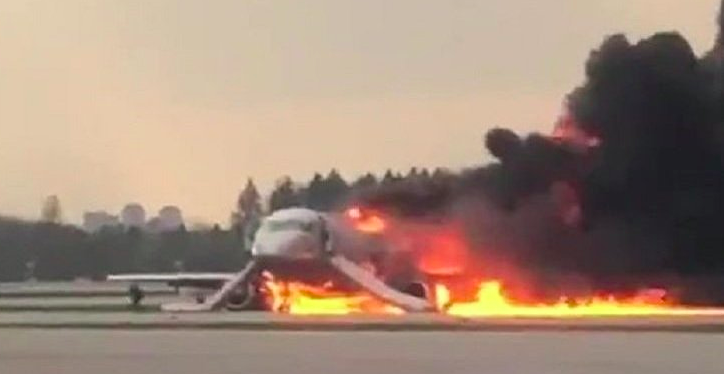
Evacuation of SSJ100 at Moscow Sheremetyevo Passenger evacuation from an aircraft after an incident is the last resort where the crew decides that the safest option in the interest of minimizing harm to the passengers and crew is to leave the aircraft as soon possible before a ravaging fire engulfs the aircraft or any other eventuality. Even under these high-risk situations, passengers have been observed to take their time to collect their personal belongings from the overhead stowage before they exit the aircraft. There is no sense of urgency in their actions or behaviour. The choice of the door to exit is also based on their choice rather than the closest one which can help them egress and run to a safer place, away from the aircraft. The 90-second rule for demonstrating the evacuation of an aircraft is carried out by actors who have been briefed on the exercise and the objectives. They are highly motivated and perform their individual tasks with precision. The real passengers will not behave in the same manner.
...
EASA report on FTL gives an overview of the work performed, results and recommendations, and critical assessment of the review of the effectiveness of the EU requirements concerning flight and duty time limitations and rest requirements. A scientific study ranked duties by their impact on aircrew fatigue and focussed on the top-two ranked fatiguing duty types over 2 years. Effectiveness of Flight Time Limitation (FTL) Report 01 March 2019 The field study showed an increased probability of high levels of fatigue5 at Top of Descent6 (TOD) during night and late finish FDPs compared to the baseline FDP .
...
