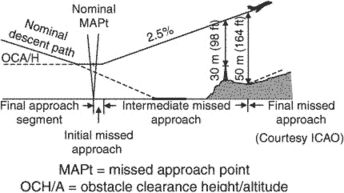
Missed approach procedures at some airports can be as long as 80-90 NM which can burn extra fuel thereby affecting endurance.
Gurukul for Safety


Missed approach procedures at some airports can be as long as 80-90 NM which can burn extra fuel thereby affecting endurance.

Society & Culture plays a very important role in the Asian context. The impact of these elements on work culture is explicit and needs to be given...
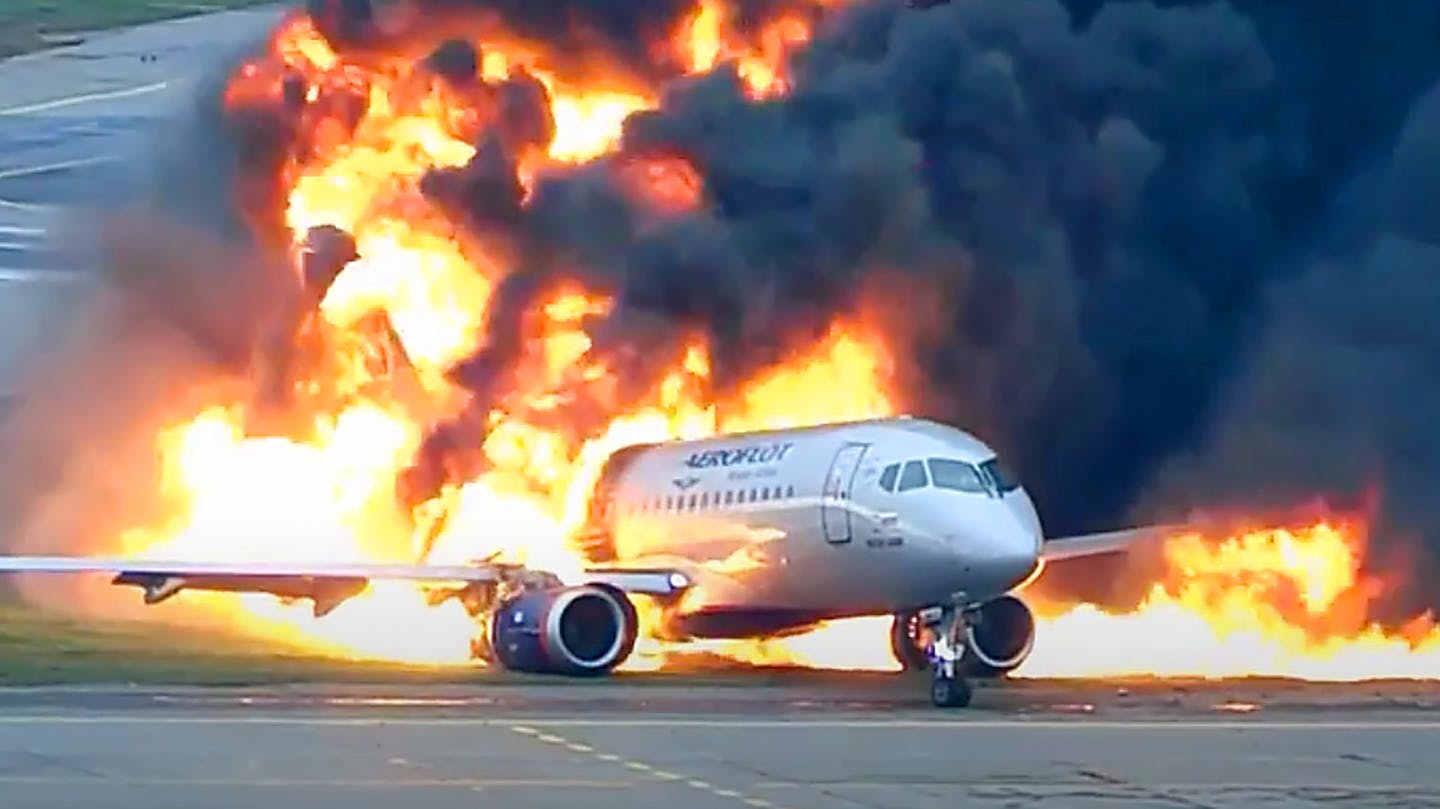
Crew flying an aircraft with multiple failures would be reluctant to carry out a go-around. The human factor.

At 1000ft where the crew has to take a decision, what if the default mode is to call for a go-around and if parameters meet the safe criteria, the...
Two accidents where supposedly Boeing did not inform the pilots about important technical information affecting safety. Is it a Safety or Ethical...

Captain & AI Can Artificial intelligence (AI) make the co-pilot's role in the flight deck redundant? Humans are more intolerant when dealing...
All systems are composed of three basic elements: people; processes; and technology. While managing safety, all three elements have to work cohesively in order to produce the desired results. The cost of workplace injuries is staggering: employers pay as much as $1 billion per week in direct and indirect workers’ compensations costs. Indirect costs include training replacement employees, accident investigation, lost productivity, etc., and can be 20 times higher than direct medical and wage replacement costs. The industries with the largest percentage of workers’ compensation claims include: air travel (7.3 percent get injured on the job), beverage and tobacco manufacturing (6.9 percent) and couriers and messengers (6.6 percent). Integrated risk management focuses on the overall risk reduction of the organization. This is achieved through the quantitative and qualitative analysis of both the inherent risks, and the effectiveness and impact of sector-specific risk management processes. New safety hazards and risks continuously emerge and must be mitigated. As long as safety risks are kept under an appropriate level of control, a system as open and dynamic as aviation can still be kept safe. It is important to note that acceptable safety performance is often defined and influenced by domestic and international norms and culture. Inevitable The B-737 Max accidents were inevitable and so were accidents like the Fukushima Daichi nuclear plant and Deepwater horizon. These accidents are prime examples of failed regulation, ignored warnings and workplace errors.
...
