


AI-171 Rescue Personnel Exposure: The Real Safety Scandal Was Being Unaware and Unprotected
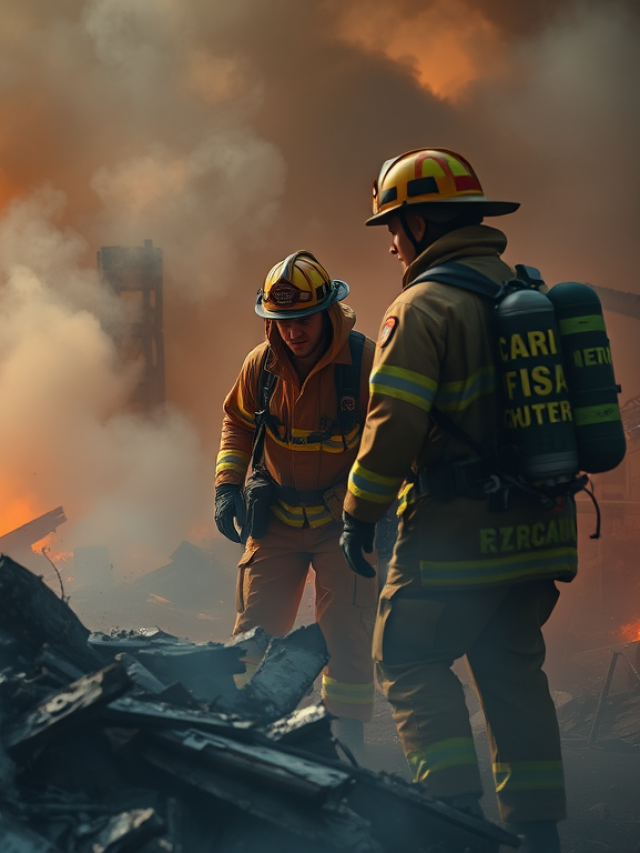
The world will remember the flames of AI-171. The stronger question is what we didn’t see:
How many rescuers and bystanders entered the crash zone breathing toxins, touching contaminated debris, and carrying residues home—without knowing it?
Awareness of AI-171 rescue personnel exposure can lead to more effective protective measures.
We must consider the impact of AI-171 rescue personnel exposure in both immediate and long-term contexts.
Addressing the issue of AI-171 rescue personnel exposure must involve comprehensive training and protective measures.
If AI-171 saw widespread involvement by helpers who were unaware and unprotected, the scandal is not that people were brave. The scandal is that our system allowed a modern aircraft accident site to become an unrecorded mass-exposure event—despite longstanding warnings in aviation and fire-service literature.
Moreover, AI-171 rescue personnel exposure should be a priority in safety regulations.
AI-171 rescue personnel exposure risks are often underestimated, leading to tragic outcomes.
This event raised serious concerns regarding AI-171 rescue personnel exposure to hazardous materials.
The consequences of AI-171 rescue personnel exposure can affect not only the responders but their families as well.
Understanding AI-171 Rescue Personnel Exposure
Aircraft Crash Smoke Is Not “Just Smoke”: Why AI-171 Exposure Risk Was Different
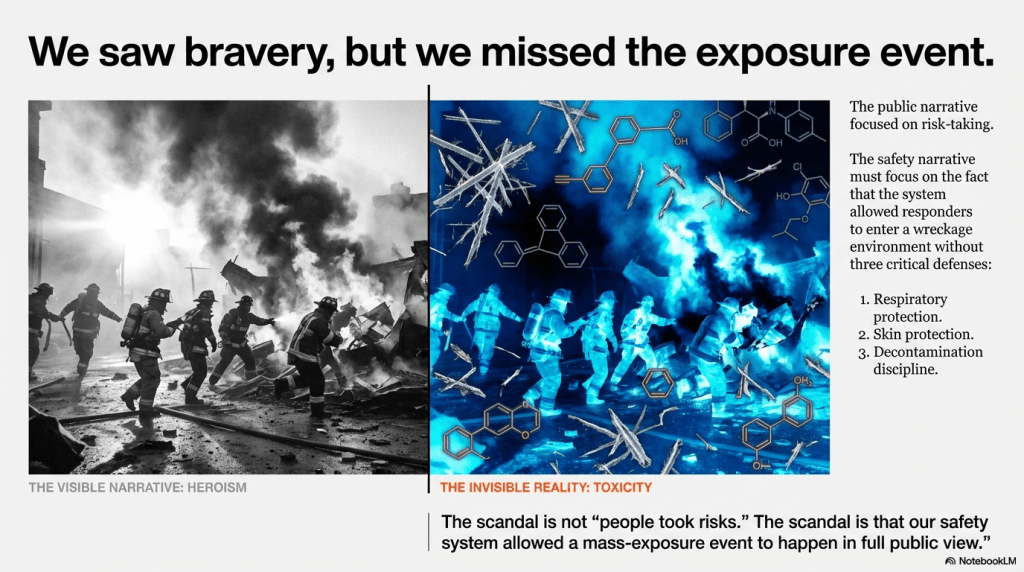
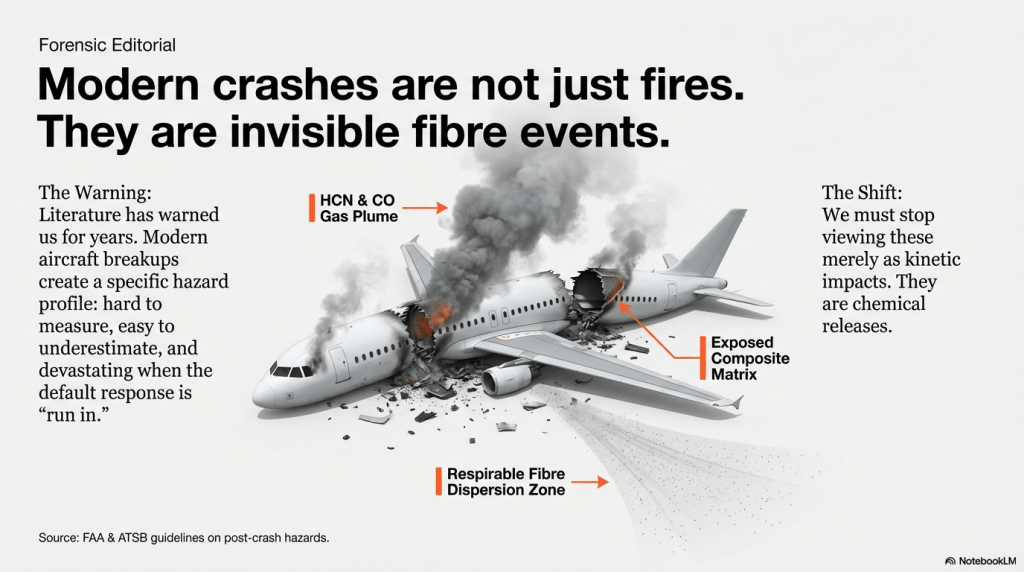
Aircraft accidents today are rarely “fuel + metal.” Modern airframes and cabins contain composite structures, epoxy matrices, insulation systems, wiring polymers, and foam furnishings. When these burn or thermally degrade, the smoke becomes a complex toxic environment, not merely a visibility problem.
The Australian Transport Safety Bureau (ATSB) explains that composite materials can decompose at elevated temperatures, releasing smoke, soot, toxic gases, and potentially fibrous dust—creating hazards for responders and bystanders beyond the obvious fire.
What Were AI-171 Responders and Bystanders Exposed To?
1) Carbon Monoxide (CO): The Cognitive Saboteur in Aircraft Fires
Assessing AI-171 rescue personnel exposure highlights the need for robust safety protocols.
Carbon monoxide is consistently identified in aircraft fire toxicology as a primary hazard because it reduces oxygen delivery to the brain and heart. FAA research on aircraft fires highlights smoke toxicity as a central driver of incapacitation and survival outcomes in post-crash fire environments.
Why it matters for unprotected helpers: people can remain “functional” while becoming progressively impaired—leading to poor decisions, collapse, or secondary injuries.
Long-term studies on AI-171 rescue personnel exposure will provide valuable insights.
2) Hydrogen Cyanide (HCN): The “Rapid Knockdown” Poison Few Expect

Hydrogen cyanide is a systemic chemical asphyxiant—meaning it can stop the body from using oxygen even when oxygen is present. NIOSH states HCN can be rapidly fatal and severely affects the brain, heart, and lungs.
FAA sources also repeatedly emphasize hydrogen cyanide as one of the principal toxic gases in smoke—especially when nitrogen-containing materials burn.
This is the hidden danger for AI-171’s unprotected crowd: a “short exposure” is not automatically safe when CO and HCN coexist.
3) Irritant and Reactive Gases: The Pain That Forces People to Breathe More
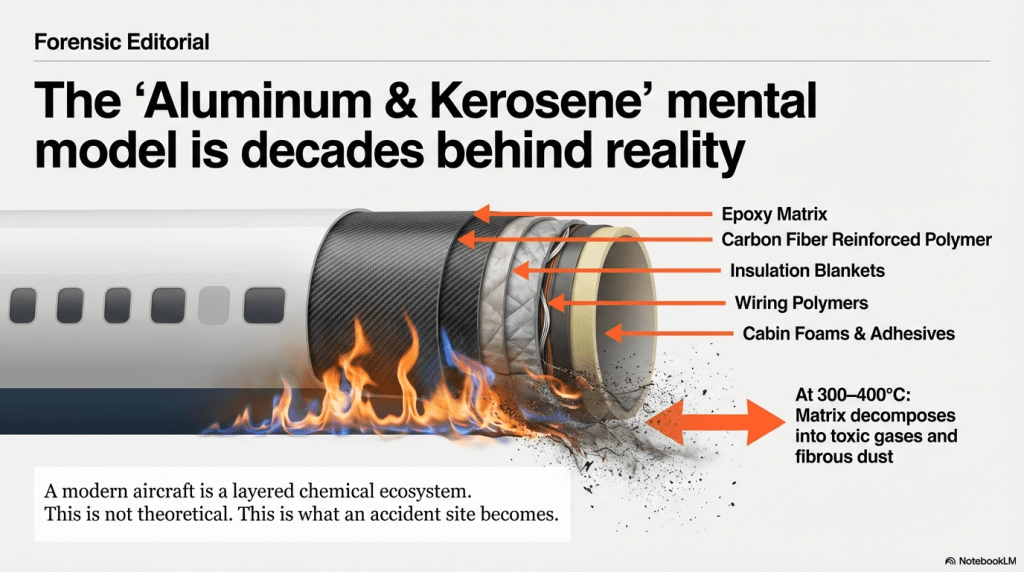
Aircraft composite matrices and cabin materials can produce a wide range of irritants and reactive compounds (including acid gases and nitrogen oxides depending on materials and conditions). ATSB describes composite decomposition products as capable of causing severe coughing/choking and extreme eye irritation, and notes that some combustion products include substances with serious longer-term health concern.
The paradox: irritation causes panic breathing and deeper inhalation—raising dose precisely when escape is needed.
4) Composite Fibre Dust and “Fibre Dispersion”: The Invisible Hazard You Can’t Meter
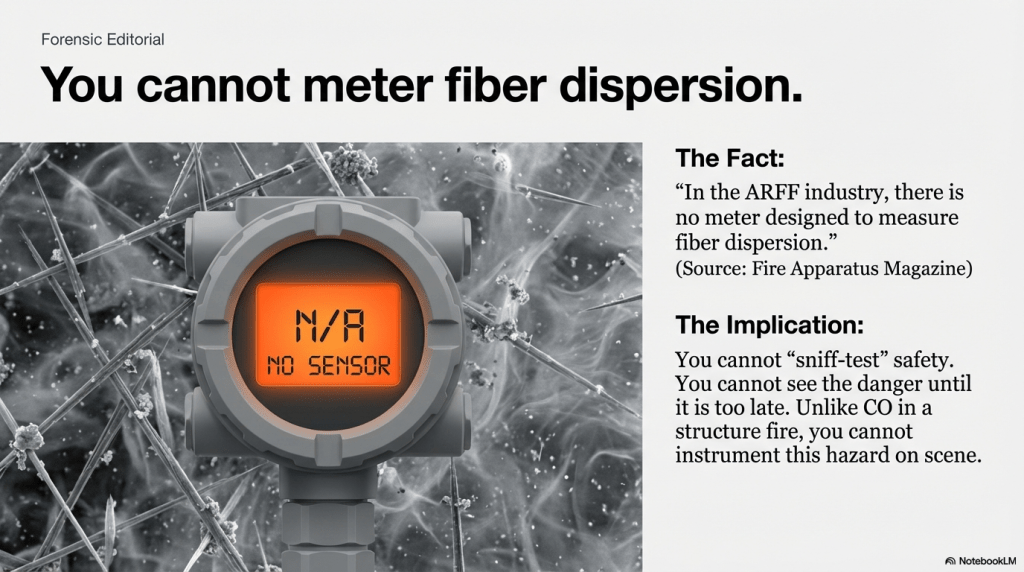
Here is the single most damning operational point in the ARFF literature:
Fire Apparatus Magazine states that within ARFF, there is no meter designed to measure fibre dispersion, and therefore incident commanders must maintain SCBA use around known composite aircraft incidents.
ATSB adds that shattered composite structures may produce respirable fibres, and splinters can be needle-sharp, irritating skin and eyes—while post-crash fire adds toxic gases and smoke.
What this means for AI-171: if people entered the scene without respiratory protection, the system did not merely “take risk.” It violated the only rational default for an unmeasurable hazard: assume it’s present until proven otherwise.
These findings will help mitigate risks associated with AI-171 rescue personnel exposure.
5) Soot, PAHs, and Skin Exposure: The Contamination That Travels Home

Fire residues are not inert. Soot can carry hazardous organics, including PAHs, that can transfer to skin and clothing. NIOSH investigations have documented firefighter PAH exposures and emphasize that exposure pathways include contamination and transfer, not just inhalation.
Education on the risks of AI-171 rescue personnel exposure must be prioritised in training programmes.
If trained firefighters can absorb contaminants even with PPE, then unprotected civilians helping at AI-171 likely had far fewer barriers—raising the likelihood of contamination transfer into cars, homes, and families.
6) AFFF / Foam and PFAS: A Second Exposure Layer (If Foam Was Used)

Understanding AI-171 rescue personnel exposure can lead to better preparedness in emergencies.
In aircraft fuel-fire scenarios, foam use is common. Public health guidance from ATSDR summarizes PFAS concerns and exposure routes, particularly ingestion through contaminated water/food pathways, and includes health associations that have been reported in studies.
This is not an argument against suppression. It is an argument for managed exposure controls and documentation, especially in large public scenes.
Raising awareness about AI-171 rescue personnel exposure is essential for future emergency responses.
The Real Safety Scandal: Why “Unaware and Unprotected” Is a System Failure
There was knowledge. The system didn’t operationalize it.
- Composite fire and debris hazards are documented in safety literature.
- ARFF literature explicitly warns there is no fibre-dispersion meter, requiring SCBA default.
- FAA research repeatedly emphasizes smoke toxicity and incapacitation risk.
- NIOSH describes HCN as potentially rapidly fatal.
The legacy of AI-171 rescue personnel exposure will shape future safety standards.
Addressing AI-171 rescue personnel exposure effectively will save lives.
So if AI-171 responders and bystanders were widely unprotected, the scandal is not individual behavior. It’s preparedness drift:
- weak hazard communication,
- delayed perimeter control,
- lack of default respiratory protection doctrine,
- absence of decontamination discipline,
- no exposure registry.
AI-171 rescue personnel exposure should be a key consideration for all responders.
The importance of documenting AI-171 rescue personnel exposure cannot be overstated.
Additionally, understanding AI-171 rescue personnel exposure can lead to better safety policies.
The long-tail injustice: no registry means no accountability
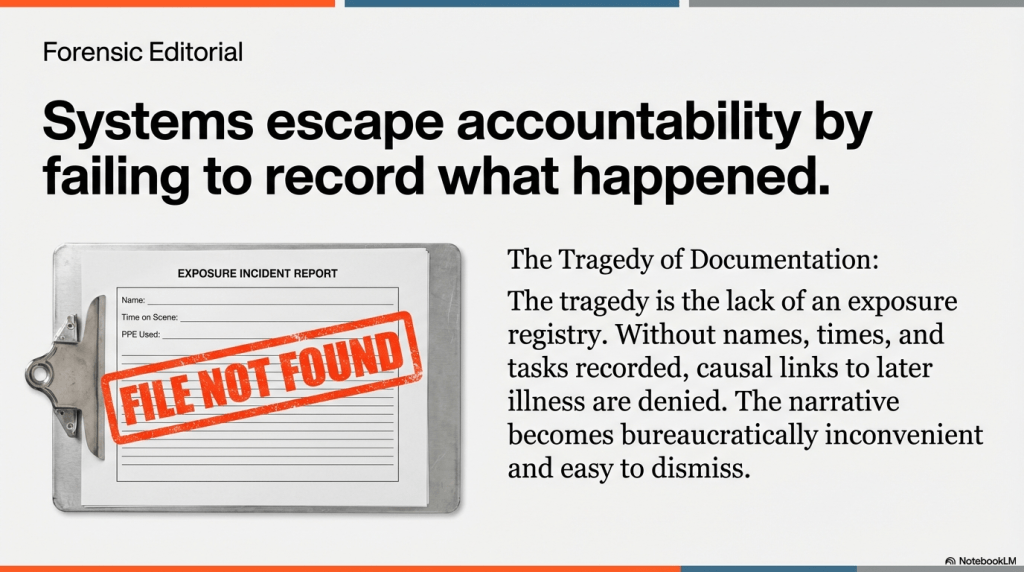
When exposures are undocumented, later respiratory, neurological, or dermatological symptoms become “unprovable” and therefore administratively ignorable. That’s how systems avoid responsibility: by failing to record what happened.
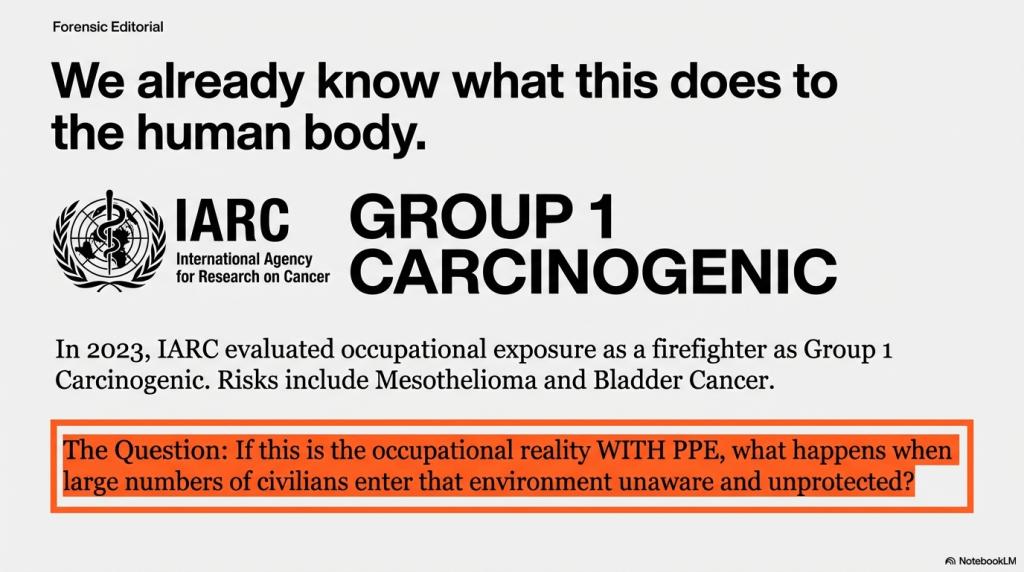
This matters even more today because IARC (WHO) has concluded that occupational exposure as a firefighter is carcinogenic to humans (Group 1), with sufficient evidence for mesothelioma and bladder cancer.
This does not mean one incident causes cancer. It means the exposure environment is serious enough that reducing, recording, and monitoring exposure is a duty of care.
What Must Change After AI-171 (Simple, Enforceable, Immediate)
1) Treat aircraft crash sites as hazmat scenes by default
Because composite fibre dispersion cannot be “metered away.”
2) Enforce “upwind + distance + perimeter” for civilians immediately
ATSB explicitly stresses moving people away and upwind from composite dust and debris.
3) Create an exposure registry in the first 24 hours
Names, time on scene, tasks performed, PPE used, symptoms within 72 hours.
4) Decontamination guidance for all helpers (including civilians)
Bag clothing, wash protocols, vehicle wipe-down guidance, avoid bringing soot indoors.
5) Health follow-up (weeks and months, not just same day)
Respiratory symptoms, headache/confusion (possible CO/HCN signs), eye/skin irritation.
Why This Is Also a Human Factors Failure
People rushing in unprotected is not surprising. It’s predictable human behavior:
- urgency,
- empathy,
- crowd momentum,
- “get it done” mindset.
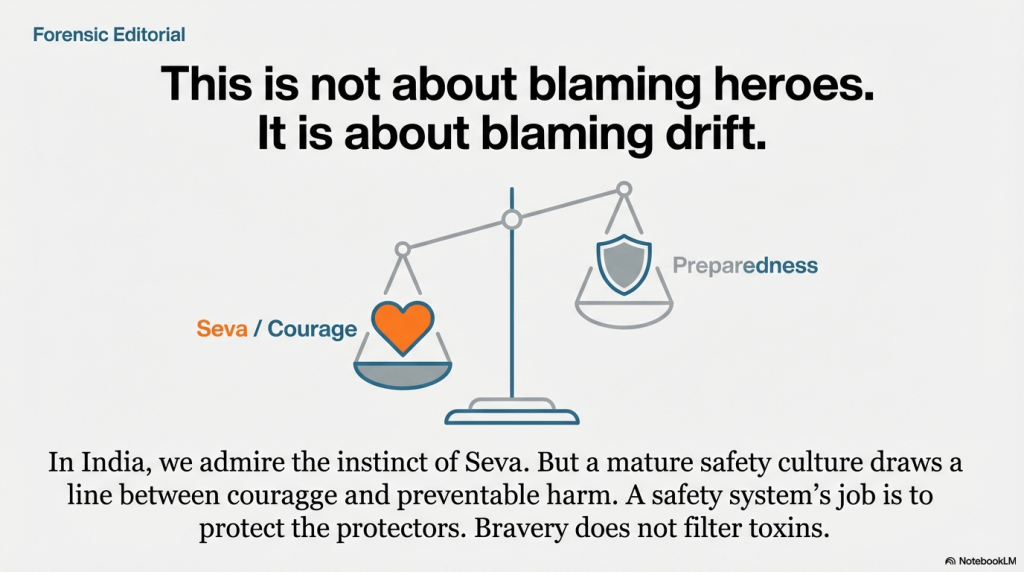
The fix is not shaming bravery. The fix is system design:
- default PPE doctrine,
- clear command messaging,
- cordon discipline,
- public instruction that frames stepping back as “helping.”


Conclusion: AI-171 Must Redefine What We Call “Rescue”
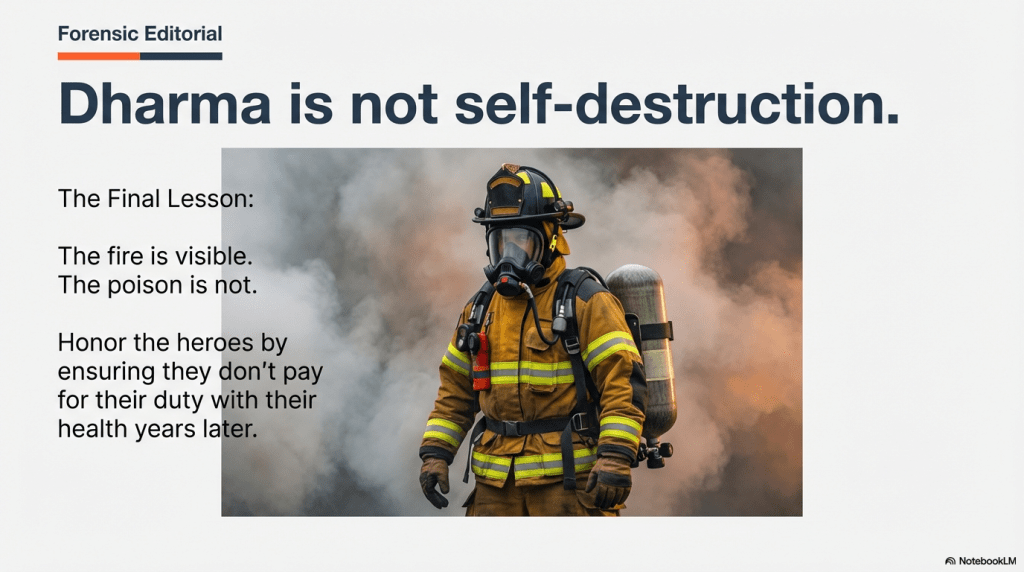
Rescue is not only extraction and extinguishing.
Effective communication regarding AI-171 rescue personnel exposure is crucial in emergency situations.
In modern aircraft accidents, rescue also means:
- protecting rescuers from invisible toxins,
- protecting families from secondary contamination,
- protecting communities from unrecorded exposure,
- and building a system that does not require heroism to substitute for preparedness.
Because the fire ends.
Exposure continues.
We must never forget the lessons learned from AI-171 rescue personnel exposure.
Improving awareness of AI-171 rescue personnel exposure is vital for future safety measures.
Preventing further AI-171 rescue personnel exposure should become a fundamental goal in emergency response.
We owe it to those affected by AI-171 rescue personnel exposure to advocate for change.
References
- Fire Apparatus Magazine, The Invisible Hazards of ARFF (composite fibre dispersion; no meter; SCBA default).
- FAA, Aircraft Fires, Smoke Toxicity, and Survival: An Overview (smoke toxicity and incapacitation).
- NIOSH Emergency Response Card: Hydrogen Cyanide (systemic chemical asphyxiant; rapid fatality potential).
- IARC (WHO) Monographs Volume 132 (2023): Occupational exposure as a firefighter is Group 1 carcinogenic.
- ATSB, Fibre composite aircraft – capability and safety (composite decomposition products; fibre dust; bystander upwind guidance).
- NIOSH HHE and related firefighter contamination/exposure pathway literature (PAH exposure and transfer pathways).
- ATSDR clinician guidance on PFAS (exposure routes and health associations; relevant where AFFF is used).
Discover more from Safety Matters Foundation
Subscribe to get the latest posts sent to your email.

Leave a Reply