


Behaviour, ABC
Table of Contents
Introduction
Behaviour in aviation, predicting how a flight crew will react in a given situation can be done theoretically, but real-life scenarios are much more complex. The reality is that a wide variety of variables can affect behavior, and these variables are constantly changing. Understanding the relationship between events and how they affect human behavior is crucial to ensuring safety and managing potential risks effectively.
In the context of aviation, external factors that influence flight safety are referred to as threats. According to the Threat and Error Management (TEM) model, threats are defined as “events or errors that occur beyond the influence of the flight crew, increase operational complexity, and must be managed to maintain the margins of safety.” These threats can arise from many sources: adverse weather conditions, congested airspace, mechanical failures, errors made by air traffic control (ATC), or issues with ground support. These threats are external and beyond the control of the flight crew, yet they require immediate attention and must be handled correctly to avoid compromising the safety of the flight.
While human factors are critical in understanding errors and accidents in aviation, they are not considered a direct “threat” in the TEM model. Instead, the TEM model focuses on factors beyond the crew’s control. That being said, the behavior of the flight crew, influenced by factors such as fatigue, stress, or health, plays a critical role in how threats are managed. Thus, any comprehensive approach to aviation safety must also consider human behavior, its antecedents, and consequences in assessing and mitigating risks.
The ABC model (Antecedent-Behavior-Consequence) provides a useful framework for analyzing behaviors, especially when studying human performance in safety-critical environments like aviation. By examining what happens before, during, and after specific behaviors, we can better understand why certain actions occur and how to mitigate undesirable outcomes.
This blog will discuss the Antecedents, Behaviors, and Consequences (ABC) framework in the context of flight operations, with a specific focus on how external threats influence crew behavior, and how understanding these elements can improve safety outcomes.
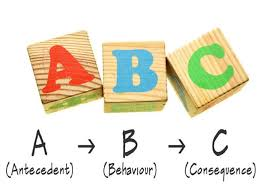
Antecedents: What Happened Before the Behavior?
Antecedents are events or factors that occur before a specific behavior and may trigger that behavior. In aviation, antecedents often include external threats such as changing weather patterns, sudden aircraft malfunctions, or communication breakdowns between the flight crew and ATC. These antecedents place stress on the crew and create situations that demand quick, effective decision-making.
Antecedents can also include human factors such as the emotional and physical state of the crew. Fatigue, anxiety, and stress are common in high-pressure situations and can influence how crew members respond to threats. For instance, a fatigued pilot may not react as quickly or effectively to a mechanical failure as a well-rested one. Similarly, an anxious co-pilot might hesitate to assert themselves in a critical moment, leading to a breakdown in cockpit communication.
To manage these antecedents effectively, aviation safety protocols are designed to mitigate the risks associated with external threats. This includes robust pre-flight briefings that account for potential weather conditions, technical checks to minimize the risk of equipment malfunctions, and clear communication protocols with ATC. Additionally, measures are taken to ensure crew members are physically and emotionally prepared for their flights, including mandatory rest periods and psychological support if necessary.
However, not all antecedents are external. Some are internal to the crew. A pilot’s previous experiences, individual stressors, or personal life challenges can also serve as antecedents that influence how they respond to in-flight situations. For example, a pilot who recently experienced a close-call landing might be overly cautious in similar situations, potentially affecting their decision-making in ways that reduce safety margins.
Managing Behaviour Antecedents in Aviation:
- Build and Maintain Good Rapport: Strong teamwork and communication among the crew can help prevent misunderstandings and minimize errors during flight operations.
- Avoid or Minimize Known Triggers: If certain conditions are known to trigger stress or anxiety in a crew member, steps should be taken to avoid or minimize exposure to those conditions. This might include scheduling rest breaks, altering flight schedules, or increasing support during challenging flights.
- Involve the Crew in Discussing Triggers: Open communication about potential stressors or triggers allows the crew to anticipate and plan for challenging situations. For instance, discussing potential weather complications before takeoff can help prepare the crew to respond effectively.
Example in Action:
Consider a scenario where a flight crew is dealing with turbulent weather. The adverse meteorological conditions serve as the antecedent, leading to increased stress levels in the cockpit. If this stress isn’t managed properly, it can influence the subsequent behavior of the crew, making them more prone to errors.
Behavior: What Is the Actual Behavior?
Behavior refers to the actions or reactions of the crew in response to the antecedents. In the context of aviation, behaviors during flight operations can range from calm, deliberate decision-making to rushed, error-prone responses under pressure. Understanding the purpose of a specific behavior in response to external threats is key to identifying areas where safety improvements can be made.
During flight operations, the crew’s behavior is influenced by a combination of training, experience, and the immediacy of the situation. Effective crew resource management (CRM) plays a vital role in guiding crew behavior during critical moments. CRM emphasizes communication, teamwork, and decision-making under pressure, which are essential for handling in-flight threats.
In challenging situations, behaviors such as clear communication, assertiveness, and quick decision-making are essential for maintaining safety. For example, if the aircraft experiences engine trouble, the crew must immediately communicate the issue, troubleshoot the problem, and coordinate with ATC to make an emergency landing. Delayed or ineffective behavior in this scenario could lead to catastrophic consequences.
On the other hand, problematic behaviors can occur when stress levels are high or when antecedents overwhelm the crew’s ability to manage the situation. For instance, cognitive overload during high-pressure situations can lead to fixation, where the crew becomes overly focused on one problem and ignores other critical elements of the flight. This type of behavior is particularly dangerous as it reduces situational awareness and increases the likelihood of accidents.
Strategies for Managing Behavior:
- Stay Calm and Use Even-Toned Communication: Keeping a calm demeanor helps reduce panic and ensures that communication remains clear and effective during high-stress situations.
- Give Simple, Direct Instructions: In high-pressure situations, complex instructions can cause confusion. Simple and clear instructions reduce cognitive load and help maintain focus on the immediate threat.
- Recognize When to Disengage: In crisis situations, recognizing when to de-escalate or disengage from a particular course of action is crucial. For example, if troubleshooting a technical problem is consuming too much time, the crew might need to prioritize landing as soon as possible rather than continuing to focus on the problem.
Example in Action:
Imagine a scenario where a co-pilot notices a minor engine anomaly but hesitates to report it due to fear of overreacting. This hesitation (behavior) may lead to a delayed response, increasing the risk as the engine issue worsens. In contrast, assertively reporting the issue immediately could have led to a swift resolution.
Consequences of Behaviour: What Happens Afterward?
Consequences are the immediate and long-term outcomes of the behavior exhibited by the crew. These consequences influence future behaviors and help shape how similar situations are managed in the future. Consequences can be both positive and negative, depending on how the behavior impacts the flight’s safety and the overall outcome of the situation.
For example, a positive consequence of assertive communication during an engine failure might be a successful emergency landing with no injuries or damage to the aircraft. This reinforces the importance of timely communication and problem-solving under pressure, encouraging similar behaviors in future situations.
On the other hand, negative consequences—such as a failure to respond to an external threat appropriately—can lead to more severe outcomes, including accidents or incidents. These consequences often prompt investigations that lead to changes in aviation policies, procedures, and training programs aimed at preventing similar behaviors in the future.
One critical aspect of managing consequences is ensuring that flight crews learn from both positive and negative outcomes. Post-flight debriefings and analysis of incidents are essential for identifying what went well and what could be improved in terms of crew behavior and decision-making.
Managing Consequences of behaviour:
- Positive Reinforcement for Effective Behavior: Recognizing and reinforcing effective behaviors, such as clear communication and quick decision-making, encourages the crew to repeat these actions in future scenarios.
- Learning from Negative Consequences: After an incident, analyzing the behavior that led to the negative outcome helps crews and organizations identify weaknesses in decision-making processes or CRM practices. This analysis can then be used to improve training and preparedness for future threats.
- Adjusting Training Based on Consequences: Training programs should evolve based on the outcomes of real-life incidents. If certain behaviors consistently lead to negative consequences, adjustments must be made to training protocols to address these issues.
Example in Action:
Consider a scenario where poor communication between the pilot and ATC during a high-stress situation leads to a runway incursion. The negative consequences of this incident may lead to a review of communication protocols and additional training for the crew to prevent similar issues in the future.
Conclusion
The Antecedent-Behavior-Consequence (ABC) framework provides a valuable tool for analyzing human behavior in aviation, particularly when examining how flight crews respond to external threats. By understanding what triggers certain behaviors, how those behaviors manifest, and the consequences they produce, aviation safety can be significantly improved.
Incorporating this model into training, crew resource management, and post-incident analysis allows for better prediction and management of crew behaviors under pressure. By doing so, airlines can enhance their safety margins, improve decision-making processes, and ultimately prevent accidents and incidents from occurring.
In aviation, where the stakes are incredibly high, understanding the antecedents, behaviors, and consequences of human actions is not just important—it is essential for ensuring the safety of everyone on board.
Discover more from Safety Matters Foundation
Subscribe to get the latest posts sent to your email.
Leave a Reply