


Phineas Gage: The Man Who Survived a Brain Injury and What It Tells Us About High-Risk Behavior
Table of Contents

In the annals of medical history, few stories are as fascinating or as deeply instructive as that of Phineas Gage. His case challenged the understanding of brain function in the 19th century and laid the groundwork for modern neuroscience. Gage’s survival of a severe brain injury—one that would have claimed most lives—has been widely discussed for its psychological and neurological implications. His injury and the subsequent changes in his personality and behaviour provide valuable insight into how brain damage can affect decision-making, personality, and an individual’s susceptibility to high-risk behaviour.
The Story of Phineas Gage
Phineas Gage was a railroad construction foreman working in Cavendish, Vermont, in the year 1848. On September 13, 1848, Gage was involved in a horrific accident that would alter his life—and our understanding of the brain—forever. While working with a tamping iron, which was used to pack explosive powder into a hole in the ground, the iron rod was accidentally triggered by a spark from the powder. The resulting explosion propelled the 43-inch long, 1.25-inch wide rod directly through Gage’s skull.
The tamping iron entered his left cheek, passed through his brain, and exited the top of his skull, creating a massive wound. Miraculously, Gage did not die immediately, and after receiving rudimentary medical care, he was able to walk away from the scene of the accident. However, while he physically survived, the damage to his brain was profound.
Gage was rushed to a nearby doctor, John Harlow, who was astounded by the fact that Gage remained conscious throughout the ordeal. Despite the extensive damage to his brain, including the destruction of significant portions of his left frontal lobe, Gage’s injuries didn’t immediately result in his death. Within weeks, he was able to speak, walk, and even eat.
However, the psychological changes would make Gage’s case so significant to science and medicine. After the accident, Gage’s personality underwent dramatic changes. He became impulsive, irritable, and irresponsible. His ability to make socially acceptable decisions diminished and a marked loss of inhibition replaced his previously disciplined and professional demeanour. These behavioural shifts would become the focal point of Gage’s legacy and lead to key insights into the relationship between brain damage and high-risk behaviour.
The Role of the Frontal Lobe
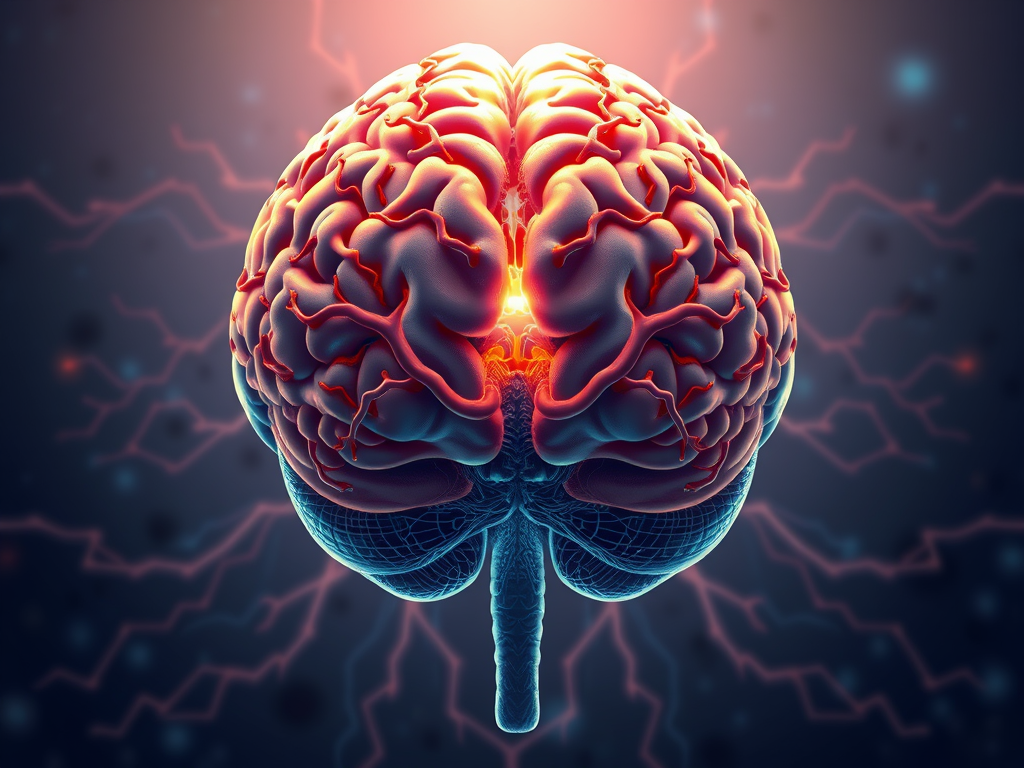
The brain injury suffered by Phineas Gage was particularly significant because it impacted the frontal lobe—one of the most critical regions of the brain responsible for higher cognitive functions such as reasoning, decision-making, planning, impulse control, and social behavior. The frontal lobe acts as the brain’s executive control center, helping individuals regulate their thoughts, actions, and emotions. It is deeply involved in regulating behavior, suppressing impulsive tendencies, and making decisions that consider long-term consequences.
The trauma Gage experienced disrupted this delicate balance, leading to the development of a personality that was markedly different from his pre-accident self. His case provided early evidence of how damage to the frontal lobe can profoundly impact a person’s ability to control their impulses and make decisions. Prior to the injury, Gage was described as hardworking, responsible, and social. He was a man of high standing in his community, respected for his work ethic and leadership abilities.
After the injury, however, Gage became erratic. He displayed reckless behaviour, showed little regard for social norms, and often acted in uncharacteristic ways of his former self. He could no longer hold down his job or maintain the relationships that had once been important to him. His lack of restraint and poor judgment made him a prime example for researchers to study how damage to the frontal lobe could influence human behaviour, particularly impulse control and risk-taking.
Gage’s Personality Changes and High-Risk Behavior
One of the key aspects of Gage’s post-injury behaviour was his tendency to engage in high-risk activities, which can be directly linked to the brain damage he sustained. High-risk behaviour typically refers to potentially harmful or dangerous actions, yet the individual persists in engaging in them despite the potential consequences. Common forms of high-risk behaviour include substance abuse, gambling, reckless driving, and impulsive decision-making without regard for safety or long-term outcomes.
The damage to Gage’s frontal lobe resulted in a diminished ability to assess risk and make decisions that took long-term consequences into account. His impulsive behaviour led him to engage in actions he might have avoided before the injury, such as spending money recklessly, disregarding social and moral standards, and engaging in inappropriate or dangerous behaviour.
The case of Phineas Gage is a striking example of how changes in the brain, particularly in areas that govern decision-making, can lead to an increase in high-risk behaviour. Before his accident, Gage had been a model of discipline and control in his work and personal life. Afterwards, the loss of inhibition and failure to consider the long-term consequences of his actions led to a dramatic transformation in his lifestyle.
The Neuroscience Behind High-Risk Behavior
Understanding Gage’s transformation requires a look at the neuroscience behind the brain’s reward and decision-making systems. The frontal lobe, particularly the prefrontal cortex, is central to impulse control, foresight, and social cognition. This part of the brain helps us plan for the future, weigh consequences, and make decisions that align with long-term goals. When this brain area is damaged, the ability to assess and respond to risks is severely compromised.
One of the key functions of the prefrontal cortex is regulating the brain’s reward system, which plays a crucial role in decision-making. The brain’s reward system assesses potential rewards and punishments associated with certain behaviors. In individuals with intact frontal lobes, the brain evaluates the possible consequences of risky actions and helps regulate behavior accordingly. However, when the prefrontal cortex is impaired, individuals may engage in high-risk behavior because they fail to adequately weigh the potential costs or dangers of their actions.
In Gage’s case, his impulsivity and lack of concern for consequences suggest that his brain could no longer effectively regulate his decision-making processes. This is a critical aspect of high-risk behavior, as individuals who engage in such actions often do so without considering the long-term implications.
High-Risk Behavior and Cognitive Function in Modern Society
Phineas Gage’s story resonates with researchers and clinicians today because of its implications for understanding the link between brain injury and high-risk behavior. His case helped pioneer the idea that specific brain areas are responsible for different aspects of cognition and behavior. While Gage’s case was an extreme example, it has been foundational in helping scientists understand how damage to the frontal lobe can lead to impulsivity, poor decision-making, and an increased propensity for engaging in high-risk activities.
In modern society, high-risk behavior is often associated with conditions such as addiction, gambling, impulsivity disorders, and certain psychiatric conditions like antisocial personality disorder. Understanding the neurological basis of these behaviors is key to developing effective interventions and treatments.
Gage’s case has also had implications for understanding the role of the frontal lobe in disorders such as attention deficit hyperactivity disorder (ADHD), substance abuse disorders, and other conditions where impulsivity and poor judgment are significant components. Advances in neuroimaging and brain mapping techniques have allowed researchers to better understand how brain regions, particularly the prefrontal cortex, influence decision-making and behavior. This has led to more targeted therapies aimed at improving cognitive control and reducing impulsive, high-risk behaviors.
Exceptional Drivers Who Overcame Brain Injuries
While Phineas Gage’s case offers valuable insights into the relationship between brain injury and high-risk behavior, there are also exceptional examples of modern-day drivers who have overcome serious brain injuries and continued to excel in their careers. These drivers show that, with the right mindset and medical intervention, some athletes can return to high-risk sports even after traumatic injuries.
1. Sam Schmidt – IndyCar Driver
Sam Schmidt is a remarkable example of resilience in motorsport. In 2000, Schmidt, a talented Indy Lights driver, suffered a life-altering crash during a practice session. The crash left him paralyzed from the neck down. Despite the severity of the injury, Schmidt did not give up on racing. Over time, he developed a racing team, Schmidt Peterson Motorsports, and became the first quadriplegic to drive a race car again with a specially modified vehicle. Schmidt’s ability to return to competitive motorsports after such a catastrophic injury speaks to the strength of human determination and the potential for recovery after brain and spinal cord injuries.
2. Michael Schumacher – Formula 1 Driver
Michael Schumacher, one of the most iconic drivers in the history of Formula 1, suffered a severe brain injury in a skiing accident in 2013. While the injury led to a long period of recovery, with Schumacher being placed in a medically induced coma for several months, his legacy and the determination he displayed throughout his career remain an inspiration. Although there have been limited updates on his current health due to family privacy, Schumacher’s case is a reminder of the significant toll that brain injuries can take, even for the most resilient athletes. His comeback after early struggles in his F1 career also highlights the potential for recovery, even after a life-changing injury.
3. Darryn Binder – MotoGP Rider
Darryn Binder, a rising star in MotoGP, sustained a serious brain injury following a crash in the Moto3 category in 2021. Despite the severity of the injury, Binder returned to racing and later moved up to the MotoGP class. His recovery and continued success underscore the importance of resilience in motorsports, where the risks are high but the determination to overcome personal adversity is even greater.
4. Niki Lauda – Formula 1 Driver
While Niki Lauda’s injuries were primarily burns rather than brain damage, his story of resilience after a life-threatening accident in 1976 still offers valuable insights into the challenges faced by racing drivers. Lauda returned to competition just six weeks after suffering severe injuries in a fiery crash, demonstrating the immense willpower needed to overcome physical and psychological trauma.
Conclusion: Lessons from Phineas Gage’s Legacy and Exceptional Drivers
The story of Phineas Gage continues to serve as a cautionary tale about the fragile nature of the brain and how trauma to specific regions can profoundly alter personality, behaviour, and decision-making processes. Gage’s life after the accident illustrates how damage to the frontal lobe can increase a person’s susceptibility to high-risk behaviour. His case helped lay the groundwork for our current understanding of the brain’s role in cognition, behaviour, and impulse control.
Today, the study of Phineas Gage’s injury is still relevant to our understanding of the neurological basis of high-risk behaviour. It underscores the importance of the brain’s executive functions and the need for a delicate balance between risk-taking and self-control. In a world where impulsive, high-risk behaviour can have significant consequences—whether in individuals with brain injuries or those struggling with psychological conditions—the story of Phineas Gage reminds us of the critical role that the brain plays in shaping human behaviour.
For anyone working in fields that require an understanding of human behaviour—whether in aviation, medicine, or psychology—the lessons learned from Gage’s story continue to inform how we think about decision-making, impulse control, and the brain’s role in navigating risk. And for the exceptional drivers who have faced brain injuries and returned to their respective sports, their stories serve as a powerful reminder that even in the face of life-changing injuries, resilience and the human spirit can lead to remarkable comebacks.
Discover more from Safety Matters Foundation
Subscribe to get the latest posts sent to your email.
Leave a Reply