Certificate course in Basics of Safety

brought to you by Safety Matters Foundation

Free Course

Human Factor

Not MCAS but lack of trust grounds B737Max worldwide:mindFly

The notorious MAS which was suspected by many to be the cause of the Lion Air accident in 2018 end may not be the cause in the Ethiopian Airlines ET302 accident. The reason why the big regulators like UK, France, Singapore, Australia and many other are imposing a ban on the B-737 Max to even enter their airspace points to a lack of trust in FAA and Boeing and the actions taken by them in the past. Read my blog "A question of safety or ethics" There was a legal case in the USA in early 2018 where the court had overruled the immunity clause that manufacturers had enjoyed for design defect. The court also documents that Boeing has been aware of known design defects in their aircrafts.

...
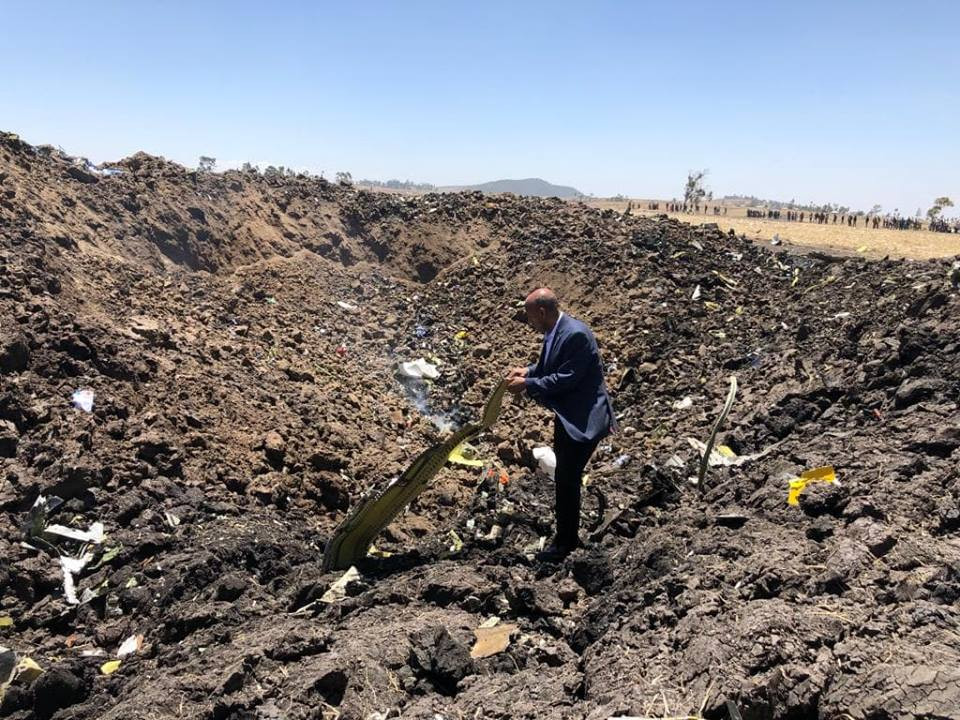
After ET302,FAA admits MCAS is there and issues notification:mindFly

It took FAA 4 months and a second B-737 accident before admitting the presence of MCAS on board the B-737 Max aircraft. On 11th March 2019 FAA has issued a continued airworthiness notification which includes MCAS design enhancements, Training of flight crew and documentation. All these have to be implemented by April 2019. For the first time since the Max has been released to service will the pilots be able to access information on the notorious MCAS officially. Isn't that a big relief?

...

Behaviour, ABC

Antecedents: What Happened Before the Behavior?Behavior: What Is the Actual Behavior?Consequences of Behaviour: What Happens...

Prevent inadvertent slide deployment by learning from Japanese Bullet Train Drivers: mindFly

Pointing and calling Flight Safety Australia In 2014, the International Air Transportation Association estimated that inadvertent slide deployment costs the airline industry more than $20 million each year. What can aviation learn from the bullet train driver. With the horrible exception of the Amagasaki crash of 2005, which killed 107 people, Japanese railways are notably safe, with one passenger death per 51.4 billion passenger kilometres. The high-speed Shinkansen network, which is now six lines with trains running at up to 320 km/h (170 kt), has carried more than 10 billion passengers without a single passenger death from derailment or collision. In 1994, the Japanese Railway Technical Research Institute assessed pointing and calling in an experiment that asked volunteers to complete a simple, but variable, task. When no special steps were taken to prevent errors, the volunteers made 2.38 errors per 100 actions. Calling or pointing cut this error rate significantly. But the greatest reduction in error to 0.38 errors per 100 actions happened when the volunteers both pointed and called their actions. This combination reduced mistakes by almost 85 per cent.

...

Everything You Know About Sleep Is Wrong with Dr. Matthew Walker:mindFly

Dr. Matthew Walker is Professor of Neuroscience and Psychology at the University of California, Berkeley, and Founder and Director of the Center for Human Sleep Science. He has published over 100 scientific studies and is the author of the book Why We Sleep: Unlocking the Power of Sleep and Dreams. Which is currently the #1 Amazon Bestseller in Neuroscience . He has been featured on numerous television and radio outlets, including CBS 60 Minutes, National Geographic Channel, NOVA Science, NRP and the BBC.

...

Fatigue experiences and culture in Australian commercial air transport pilots: mindFly

Fatigue is an inevitable risk in aviation. As it cannot be completely eliminated, it must be managed. Data on fatigue and its impact on air transport safety is generally only obtained if there is an incident or accident. Fatigue is an inevitable risk in aviation where operations are conducted through all hours of the day and sometimes through multiple time zones. As fatigue cannot be completely eliminated, it must be appropriately managed. Fatigue is defined by the International Civil Aviation Organization (2016) as: …a physiological state of reduced mental or physical performance capability resulting from sleep loss or extended wakefulness, circadian phase, or workload (mental and/or physical activity) that can impair a person’s alertness and ability to perform safety related duties. Three broad aspects of fatigue relevant to aviation include rest obtained, rest opportunity provided, and organisational support.

...
🌐 Select Your Language
🇮🇳 Indian Languages
🇮🇳 हिंदी
🇮🇳 বাংলা
🇮🇳 தமிழ்
🇮🇳 తెలుగు
🇮🇳 മലയാളം
🇮🇳 ಕನ್ನಡ
🇮🇳 मराठी
🇮🇳 ગુજરાતી
🇮🇳 ਪੰਜਾਬੀ
🇮🇳 ଓଡ଼ିଆ
🇮🇳 অসমীয়া
🇮🇳 اردو
🇮🇳 संस्कृत
🇮🇳 नेपाली
🇮🇳 سنڌي
🇮🇳 कोंकणी
🇮🇳 मैथिली
🇮🇳 डोगरी
🇮🇳 মণিপুরি
🇮🇳 कश्मीरी
🌍 International Languages
🇬🇧 English
🇫🇷 Français
🇪🇸 Español
🇩🇪 Deutsch
🇮🇹 Italiano
🇵🇹 Português
🇷🇺 Русский
🇨🇳 中文
🇯🇵 日本語
🇰🇷 한국어
🇸🇦 العربية
🇹🇷 Türkçe
🇮🇩 Bahasa Indonesia
🇹🇭 ไทย
🇻🇳 Tiếng Việt
🌐 Change Language
🇮🇳 हिंदी
🇮🇳 বাংলা
🇮🇳 தமிழ்
🇮🇳 తెలుగు
🇮🇳 മലയാളം
🇮🇳 ಕನ್ನಡ
🇮🇳 मराठी
🇮🇳 ગુજરાતી
🇮🇳 ਪੰਜਾਬੀ
🇮🇳 ଓଡ଼ିଆ
🇮🇳 অসমীয়া
🇮🇳 اردو
🇮🇳 संस्कृत
🇮🇳 नेपाली
🇮🇳 سنڌي
🇮🇳 कोंकणी
🇮🇳 मैथिली
🇮🇳 डोगरी
🇮🇳 মণিপুরি
🇮🇳 कश्मीरी
🇬🇧 English
🇫🇷 Français
🇪🇸 Español
🇩🇪 Deutsch
🇮🇹 Italiano
🇵🇹 Português
🇷🇺 Русский
🇨🇳 中文
🇯🇵 日本語
🇰🇷 한국어
🇸🇦 العربية
🇹🇷 Türkçe
🇮🇩 Bahasa Indonesia
🇹🇭 ไทย
🇻🇳 Tiếng Việt